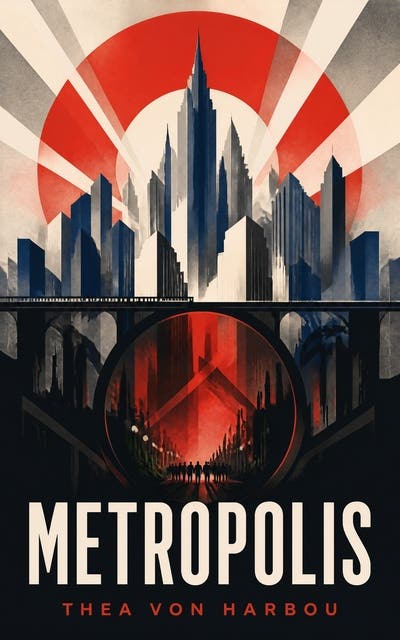
- Formato
- Libro electrónico
- Idioma
- inglés
- Género
- Ciencia ficción
- Editorial
- e-artnow
- Publicación
- 2025-01-01
- ISBN
- 4066339602335
Thea von Harbou's *Metropolis* (1925) is a visionary dystopian novel set in a vertically divided future city, where a privileged ruling class inhabits luminous towers while subterranean workers sustain its technological splendor. Blending social allegory, melodrama, biblical symbolism, Gothic imagery, and speculative machinery, the book follows Freder, the city's heir, and Maria, a worker-prophet whose compassion challenges the dehumanizing logic of industrial modernity. Its famous maxim—"the mediator between head and hands must be the heart"—frames a morally idealistic, if politically ambivalent, appeal for reconciliation between classes. The novel belongs to the turbulent literary culture of Weimar Germany, engaging anxieties about mass labor, mechanization, urban scale, and the spiritual costs of progress; it also provides the narrative foundation for Fritz Lang's landmark 1927 film. Born in 1888, Harbou was a prolific German novelist, screenwriter, and playwright whose popular fiction frequently combined romance, adventure, nationalism, and technological spectacle. Her experience writing for cinema, including collaborations with Lang, shaped *Metropolis*'s strongly visual scenes, rapid contrasts, and emblematic characters. The book also reflects the period's fascination with modern industry and its fears of social fragmentation, while revealing Harbou's attraction to order, sacrifice, and collective unity—ideas that invite critical scrutiny alongside the novel's genuine sympathy for oppressed workers. Readers interested in early science fiction, German modernism, film history, or literary representations of class will find *Metropolis* especially rewarding. Its occasionally didactic prose and ideological tensions are inseparable from its historical importance: the novel remains a compelling document of interwar anxiety and a foundational vision of the technological city.
 The Hitchhiker's Guide to the Galaxy: the comedy sci-fi classic, read by Stephen FryAudiolibro · Douglas Adams · ★ 4.5
 Red RisingAudiolibro · Pierce Brown · ★ 4.4
 To Sleep in a Sea of StarsAudiolibro · Christopher Paolini · ★ 4.2
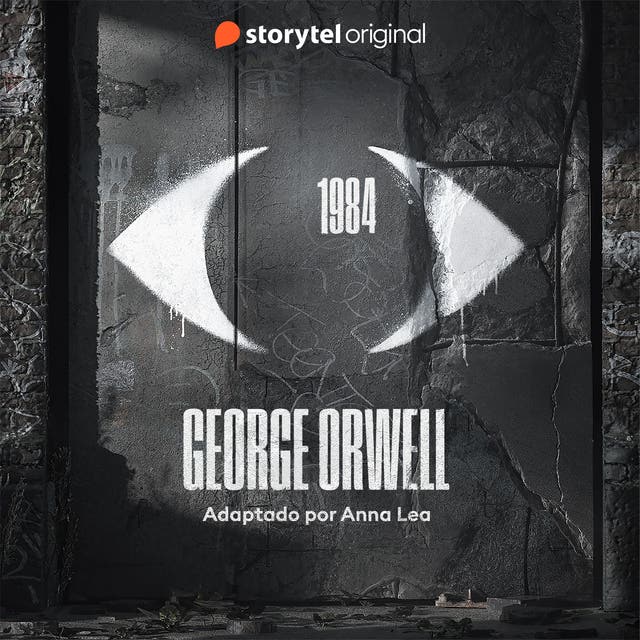 1984Audiolibro · Anna Lea, George Orwell · ★ 4.5
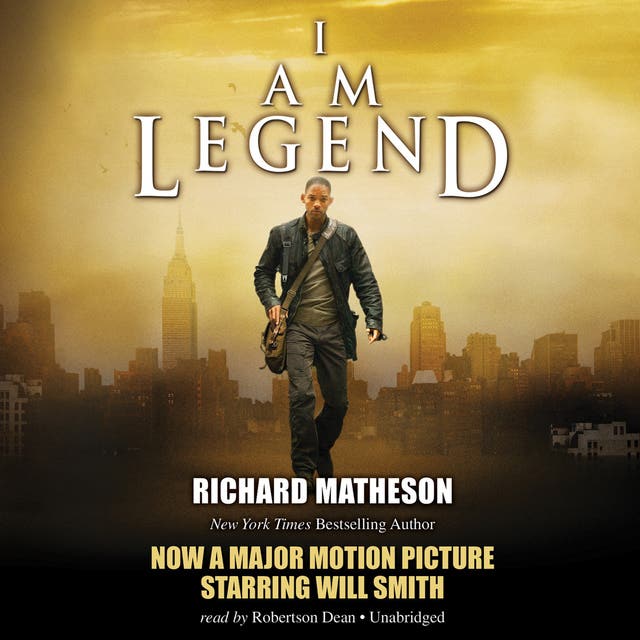 I Am LegendAudiolibro · Richard Matheson · ★ 3.8
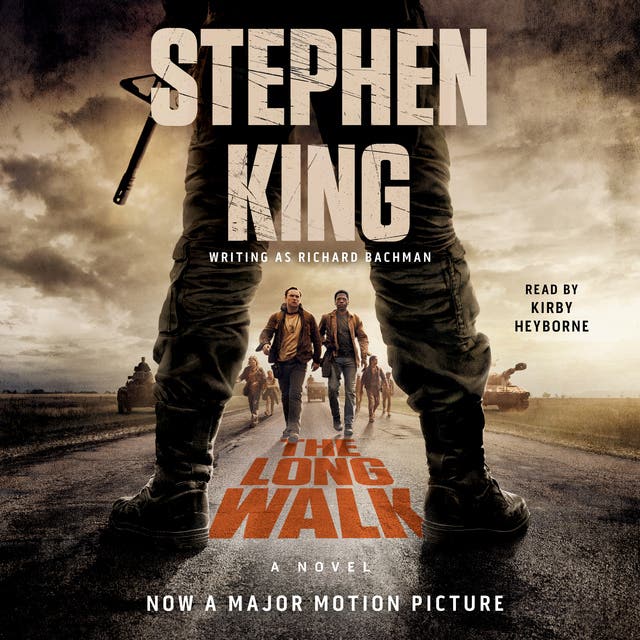 The Long WalkAudiolibro · Stephen King · ★ 4.0
 This Is How You Lose The Time WarAudiolibro · Max Gladstone, Amal El-Mohtar · ★ 3.9
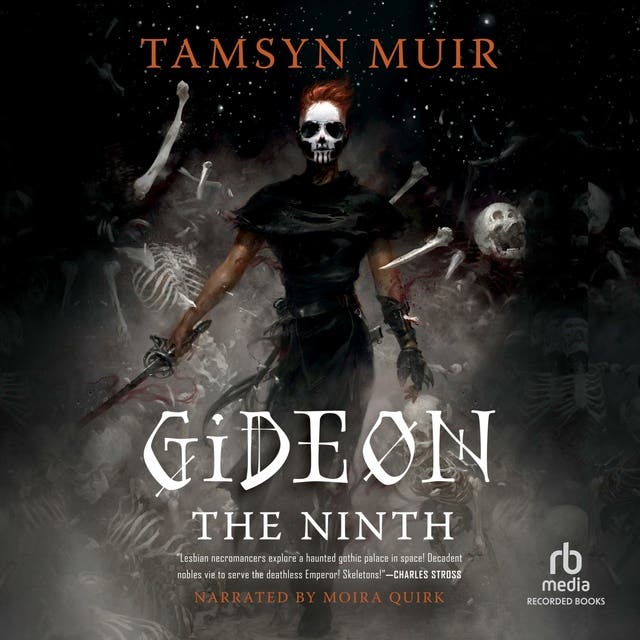 Gideon the NinthAudiolibro · Tamsyn Muir · ★ 4.2